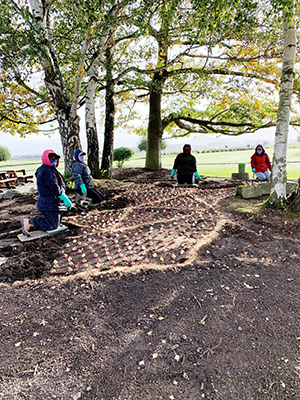
Our shorter days have brought
chillier weather and of course our Pacific Northwest rain has reminded us what
it takes to be so beautifully green. Amongst it all, our crew has been hard at
work planting the beautiful designs in our display garden.
Whether you are a first time planter or you do this year after year, there's
always excitement and anticipation that comes before tucking your bulbs in the ground. With that, come a lot of questions. We hope
you find the following information helpful in easing your planting endeavor.
Spacing and Depth:
How far apart should you plant
your bulbs? You can plant them however you'd like! Understanding that answer
can be intimidating for some newer planters, our planting
guide is an excellent source in helping you get
those bulbs in the ground. We recommend you work the soil (loosen it) to a
depth of about 8-10 inches and then plant your bulbs about 6 inches deep, but
if your soil is too difficult to work or does not drain well, planting at a
shallower depth is an option.
Depending on the variety of the
flower and how large its bloom is, we can recommend spacing the bulbs anywhere
from 4-6 inches apart. Again, this is merely a guide and is completely up to
you in the end. If you would prefer to have a more dramatic burst of color, you
can group or, "cluster" your bulbs planting ten of them tighter together.
In our display garden, we cheat a
little bit on both depth and spacing. This is because we plant over a million bulbs by hand and
we have to get it finished sometime before the year is over!
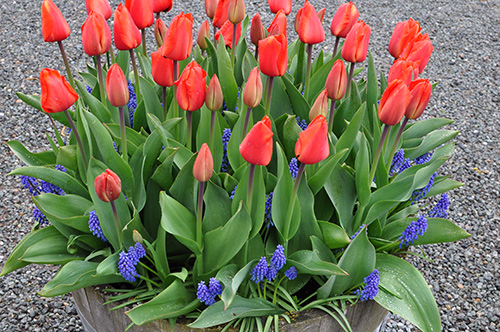
Planting in containers:
If critters or lack of space are
issues for you, planting in containers can be your answer. Here are a few
things to keep in mind when planting in containers:
- Soil: You'll want to use quality
potting soil for your container. Regular soil is too heavy and not recommended.
- Drainage: Potting soil will help with
drainage in your container, but you can also consider adding a layer of gravel
to the bottom.
- Watering: Water your container
throughout the winter months. The soil should always stay moist. You do not
want your bulbs to dry out and depending on where your pots are located, they
may not get water naturally.
- Depth: How deep you can plant your
bulbs will be determined by how large your container is.
- Spacing: This is not super important
for container planting. The goal is to create the look you want. A lot of
people choose to do something called layered planting in containers. An
example of this is, daffodils go deepest, tulips in the middle, and other
smaller bulb types on top!
- Weather: One of the most consistent
questions we get is, how weather, particularly cool weather, effects your containers.
In the ground, bulbs have the ability to warm and cool more gradually with the
earth around them. In containers, this isn't the case and it tends to happen
more rapidly. Some things to consider; first off, temperatures near or just
below freezing should not be a problem, but if the air cools down to
temperatures in the twenties or the forecast calls for an extended freeze,
you'll want to consider protecting your container. Here are a few suggested
ways of doing so:
- Cover your container with a blanket
- Consider wrapping your container with a
burlap sack if freezing temps are common throughout the winter
- Move your container into a protected
area. Remember, your bulbs will grow more quickly if the environment is warmer.
A garage is a good option.
- Place your container near the house,
this can keep them a bit warmer throughout the cold winter.
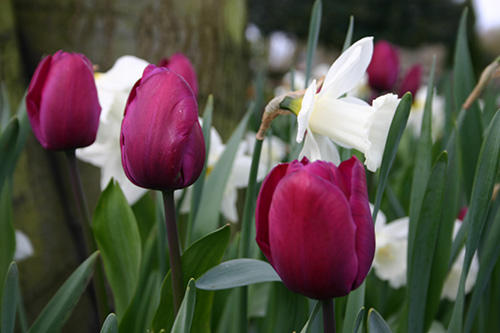
What does it mean when a bulb says Early, Mid, or Late?
This is referring to the season of the bulb. Will it be the
first to bloom of its kind or the last? Every year we get asked when the
daffodils and tulips will begin their bloom and every year we answer, it
depends on the weather. Trust us, we would LOVE to be able to provide you
with an exact date, but unfortunately the only thing the flowers listen to is
Mother Nature. Daffodils always bloom before tulips and an early daffodil
variety (ie Dutch Master) will be the first to bloom of the daffodils. This can
typically happen mid to late February. If the weather is warmer, it will happen
earlier, if it has been quite cool outside, their bloom will stay tucked in
until later in February. If you are looking for overlap between tulips and
daffodils, we recommend pairing late blooming daffs with early blooming tulips.
Is that your only option? Not necessarily, but it is your safest one!
Weed Control:
Make sure your garden is
free of weeds before you plant your bulbs. For more care tips on how to get
your garden ready for planting, click here. After you have
planted your bulbs, consider adding a layer of mulch to your garden to help
prevent those pesky weeds from popping up. In the display garden our go to is
mulch and some good old fashion manpower! You will often see our crew weeding
the flower beds each morning to keep the extra greenery away.
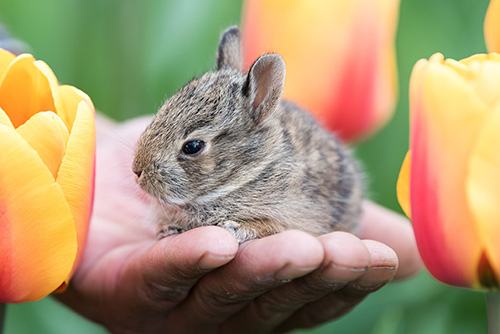
While we have yet to find
a way to keep bulbs 100% safe from the pesky critters, here are a few things
that some of our staff and customers have had good luck in trying:
We know there are a lot more
questions out there and we want to assure you, as long as your bulbs have
proper soil, are watered appropriately, and were tucked in with love, they
should bloom just fine come spring. If you should have any concerns that you
would like an answer to, please do not hesitate to reach out. Our team would be
more than happy to assist you!
Happy planting!