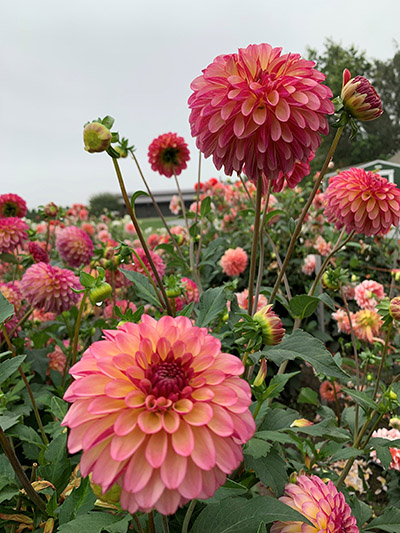
Sunshine and summertime are in full swing in the valley. We
have had gorgeous (hot) weather and long days full of light. Our bulbs have all been dug
and processing has
begun! The garden continues to sprout
with color from the dahlias and other summer blooms. Give it another few weeks
or so, and we should be at peak for those summertime blossoms!
Naturally a trip up the Skagit Valley - home of
RoozenGaarde, one of the largest tulip bulb
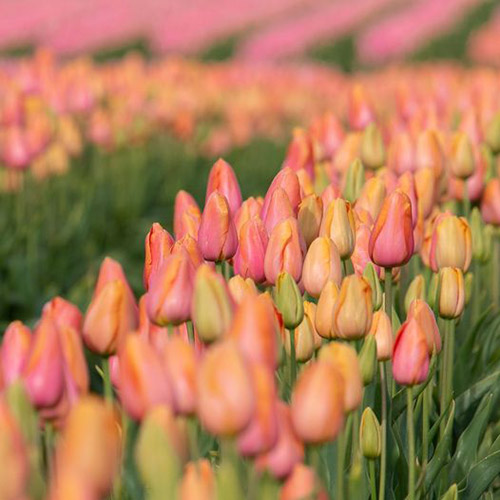
farmers, you would expect to see fields of tulips (and daffodils). If you are
visiting us in the spring, that is what you would see, but if you happen to
journey this way a different time of year, you'll see our fields filled with
other crops. These crops play a large role in preserving our environment and
nurturing healthy soil.
RoozenGaarde
has roughly 2000 acres of farmed land each year. About half of which is used
for tulips and daffodils, while the rest is planted with other crops. To ensure
our bulbs produce optimum blooms, they are put on a rotation cycle of about six
years. This means whichever fields had tulips in 2022, won't see them again
until about 2028. The other 1000 acres will contain a rotational crop of
barley, wheat, grass, or clover.
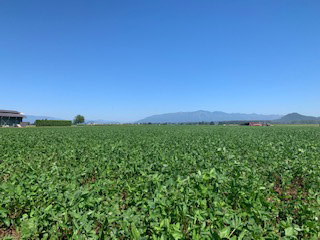
While this might seem unusual for a flower farmer to plant something
other than the bulbs we grow, it is incredibly necessary - for our bulbs, for
sustainability, and for preserving the environment. If as farmers, we are not
taking care of the soil it will in turn negatively impact us and our
surrounding world. Planting these "cover crops" provide an abundance of benefits
including optimizing nutrients in soil, enhancing water availability, combating
pests and weeds, disease control, and slowing erosion to name a few. 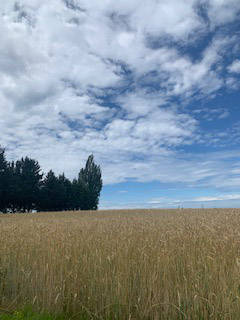 Often,
you'll hear cover crops are used for their benefits to the soil itself rather
than for their possible commercial value. For RoozenGaarde and the local
farmers we trade ground with, the cover crops used are beneficial on all
levels. Farmers take extreme care and meticulous planning to forecast what goes
into their fields year after year - it's a large part of what makes or breaks
their success.
Often,
you'll hear cover crops are used for their benefits to the soil itself rather
than for their possible commercial value. For RoozenGaarde and the local
farmers we trade ground with, the cover crops used are beneficial on all
levels. Farmers take extreme care and meticulous planning to forecast what goes
into their fields year after year - it's a large part of what makes or breaks
their success.
Next time you drive by a field filled with those amber waves
of grain, or swaying with grass, remember it could be more than providing wheat
for processing or alfalfa for livestock. These crops are aiding our earth in
its longevity. We are thankful for the sustainability that cover crops provide, for both the future of our farmlands, and for allowing our bulbs to thrive in healthy soil leading them to produce such vibrant blooms.
Want to bring a piece of Skagit Valley to your back yard? It's
not too late to purchase some of our bulbs
for at home planting! In fact, we are extending our Free Bulb Offer until August
7th!
Wishing you a wonderful continuation of summer! - RoozenGaarde and Tulips.com